
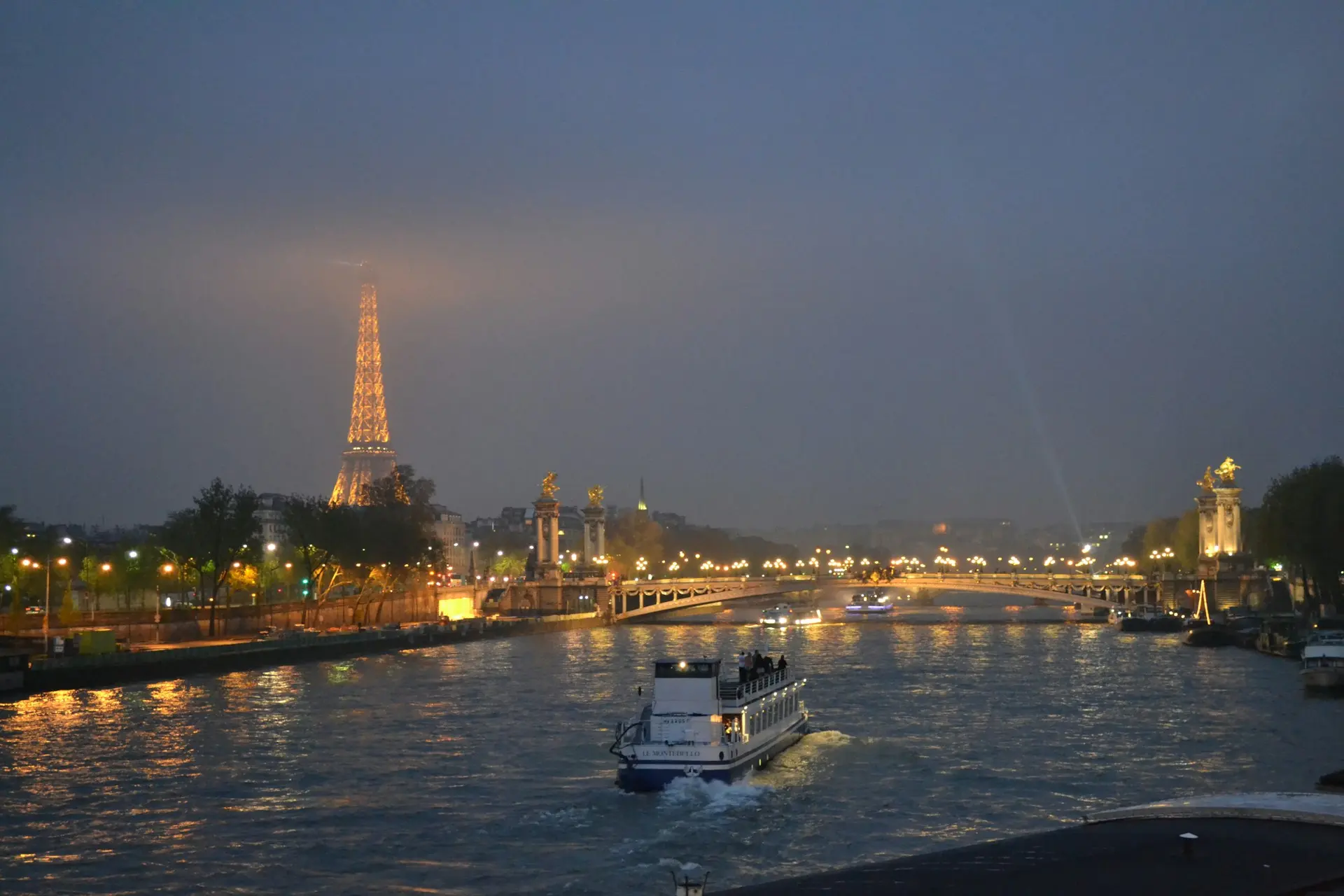
Few neighborhoods on Earth can claim nine centuries of continuous hustle, hunger, and reinvention. Les Halles, the historic market quarter of Paris’s 1st arrondissement, has been the city’s larder, its gossip exchange, its demolition site, and its rebirth — all in one square mile. For travelers staying at Citadines Les Halles Paris, this storied district is quite literally the view from the doorstep: step out of the aparthotel at 4 Rue des Innocents and you are standing in the very center of the story.
This in-depth guide walks you through the neighborhood’s extraordinary evolution — from medieval market to Émile Zola’s legendary “Belly of Paris,” from the vanished iron pavilions of Baltard to the undulating golden glass of La Canopée — and shows you how to experience it all like an insider during your stay.
Why Les Halles Is the Beating Heart of Paris
Paris is a city of villages, but Les Halles is the crossroads where all of them meet. Since the Middle Ages, this has been the place where the capital fed itself: farmers, fishwives, bakers, and butchers converging before dawn so that Parisians could eat by noon. The market’s gravitational pull shaped the streets around it — including the Rue des Innocents, Rue Montorgueil, and Rue Saint-Denis — and even today the neighborhood’s DNA is unmistakably commercial, convivial, and energetic.
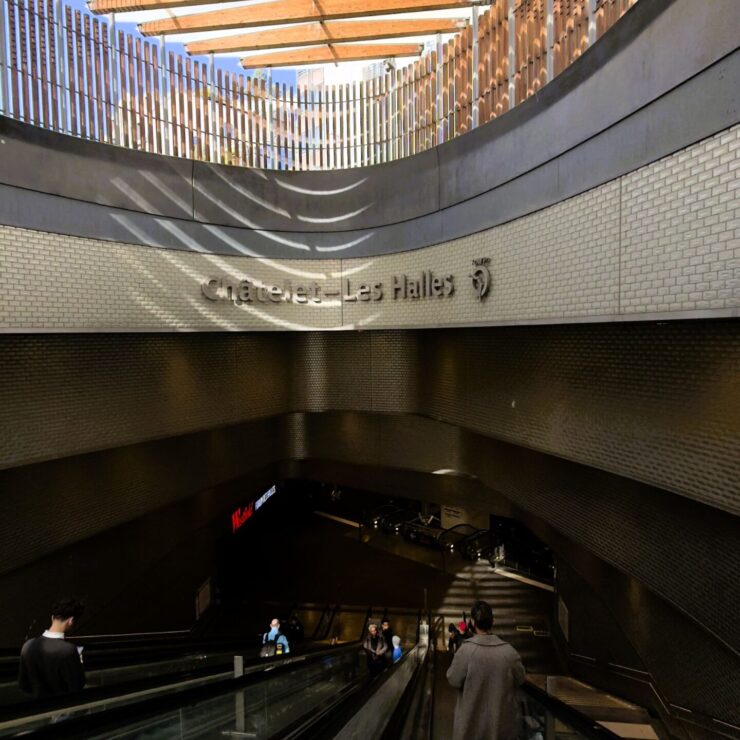
That energy is now amplified by Châtelet–Les Halles, the vast underground transit hub beneath the district that moves around 750,000 passengers every day, making it one of the busiest stations in Europe. Add the crowds of the Westfield Forum des Halles shopping center — roughly 150,000 visitors daily — and you begin to understand why locals still say that whatever happens in Paris, it usually passes through Les Halles first.
For visitors, the payoff is simple: stay here and almost everything you came to Paris for — the Louvre, Notre-Dame, Sainte-Chapelle, the Seine, the Marais, the Centre Pompidou — falls within an easy, scenic walk.
Nine Centuries in Six Acts: The Story of Les Halles
Act I — 1135–1183: A Royal Market Is Born
The market of Les Halles was founded around 1135 under King Louis VI, and it changed the destiny of the Right Bank. In 1183, King Philip Augustus (Philippe II) took full control of the market, built the first covered halls — the halles that gave the quarter its name — and enclosed the site with walls to protect merchants and shoppers. From that royal decision onward, Les Halles would remain the official pantry of Paris for more than 800 years.
Act II — The Renaissance: The Cemetery of the Innocents
The neighborhood’s curious street names preserve a spookier chapter. For centuries, the Cimetière des Innocents stood beside the market as Paris’s principal burial ground — a macabre neighbor to the city’s food supply. When the cemetery was finally emptied and demolished in the 18th century, its memory survived in the Rue des Innocents (your hotel’s address) and in the exquisite Fontaine des Innocents, a Renaissance jewel sculpted by Jean Goujon and architect Pierre Lescot in the mid-16th century, now standing at the center of Place Joachim-du-Bellay, a two-minute stroll from Citadines Les Halles.
Act III — The 1850s: Baltard’s Iron-and-Glass Cathedrals
By the 19th century, the medieval halls had become insanitary and chaotic. Under Napoleon III, architect Victor Baltard answered with a masterpiece: a dozen soaring pavilions of iron and glass, linked by underground tunnels and covered streets, that looked like cathedrals built for commerce. Critics mocked them as “Baltard’s umbrellas,” but Parisians adored them, and they became one of the defining images of Haussmann-era Paris.
Act IV — 1873: Zola Crowns It the “Belly of Paris”
It was Émile Zola who gave the market its immortal nickname. In his 1873 novel Le Ventre de Paris (“The Belly of Paris”), Zola painted Les Halles as the enormous appetite at the center of the city — a sensory avalanche of cheeses, flowers, cured meats, cabbages, and oysters, where fortunes were whispered and fortunes were made. The nickname stuck so hard that to this day, no history of the neighborhood can be told without it.
Act V — 1969–1979: The Great Vanishing and “The Hole”
Then, almost overnight, the belly emptied. In 1969 the wholesale market was transferred to Rungis, south of the city, and in 1971 Baltard’s beloved pavilions were demolished, leaving a gaping pit that Parisians wryly christened le trou des Halles — “the Hole.” For a decade the wound defined the center of Paris, until 1979, when the Forum des Halles opened: a bold, sunken shopping center and transit interchange that restored commerce to the site, even if it never quite restored the poetry.
Act VI — 2016: La Canopée Unveiled
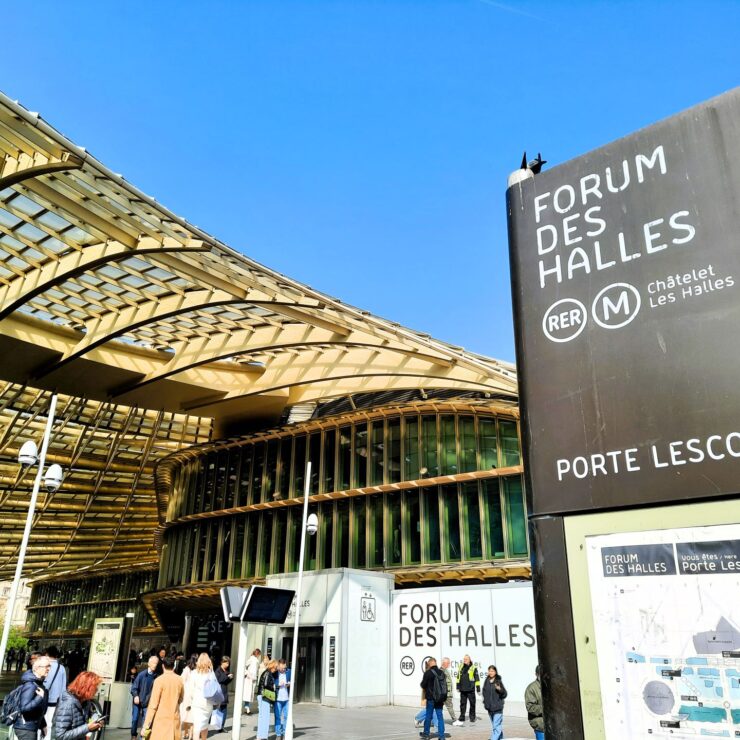
The latest reinvention arrived on April 5, 2016, with the inauguration of La Canopée, the sweeping, wave-like glass canopy designed by architects Patrick Berger and Jacques Anziutti. Rising above the Forum like a golden tide frozen mid-swell, the Canopée flooded the once-dark underground levels with daylight, added gardens, promenades, and cultural venues, and finally reconciled Les Halles with its own grandeur. The 2016 transformation is widely credited with breathing new life into the entire district — turning a utilitarian mall into a luminous public landmark worthy of its medieval pedigree.
Under the Canopy: What to See and Do at La Canopée Today
La Canopée is more than a pretty roof. It is a layered public space where architecture, nature, and street life intertwine:
- The Canopy Itself — an undulating, honey-gold glass wave that photographs beautifully at sunrise and glows like a lantern after dark. Walk its upper promenades for a rare elevated view over the historic quarter.
- Daylight-Flooded Forum — the once-subterranean mall now opens to the sky through the canopy’s central valley, making shopping feel unexpectedly airy.
- Cultural Venues — the Canopée houses creative spaces including a hip-hop arts center, a media library, and the Forum des Images cinema, anchoring the district’s youthful, artistic side.
- Gardens & Esplanades — landscaped terraces and the reopened garden edges of the Forum offer green breathing space between Saint-Eustache and the shopping levels.
- Street Life & Events — from impromptu dance battles to seasonal installations, the parvis of the Canopée is one of Paris’s great stages for spontaneous spectacle.
Westfield Forum des Halles: The Rainy-Day Savior
Beneath the canopy, the Westfield Forum des Halles continues the site’s thousand-year commercial tradition with more than 140 boutiques and restaurants spread across some 60,000 square meters — one of the largest shopping destinations in central Paris and a magnet for around 150,000 visitors a day. Flagship fashion stores, beauty halls, sneaker temples, concept stores, and a buzzing food court make it the perfect fallback when the Parisian weather turns theatrical.
Opening hours: Monday to Saturday, 10:00 am – 8:30 pm; Sunday, 11:00 am – 7:00 pm. For guests of Citadines Les Halles Paris, the mall is quite literally beside the hotel — you can pop in for a croissant, a charger cable, or a three-hour shopping spree and still be home in minutes.
Around the Canopy: Sights Within a Few Minutes’ Walk
One of the great joys of staying in Les Halles is how much history clusters around the modern canopy:
- Église Saint-Eustache — a Gothic masterpiece with a Renaissance heart, standing shoulder-to-shoulder with the old market square; famous for its organ and evening concerts.
- Rue Montorgueil — the pedestrian market street that inherited the soul of the old Halles: boulangers, fromagers, cavistes, and cafés in a delicious, photogenic row.
- Fontaine des Innocents & Place Joachim-du-Bellay — a Renaissance fountain and café terraces right at the hotel’s doorstep.
- Centre Pompidou — just 500 metres away, the inside-out icon of modern and contemporary art.
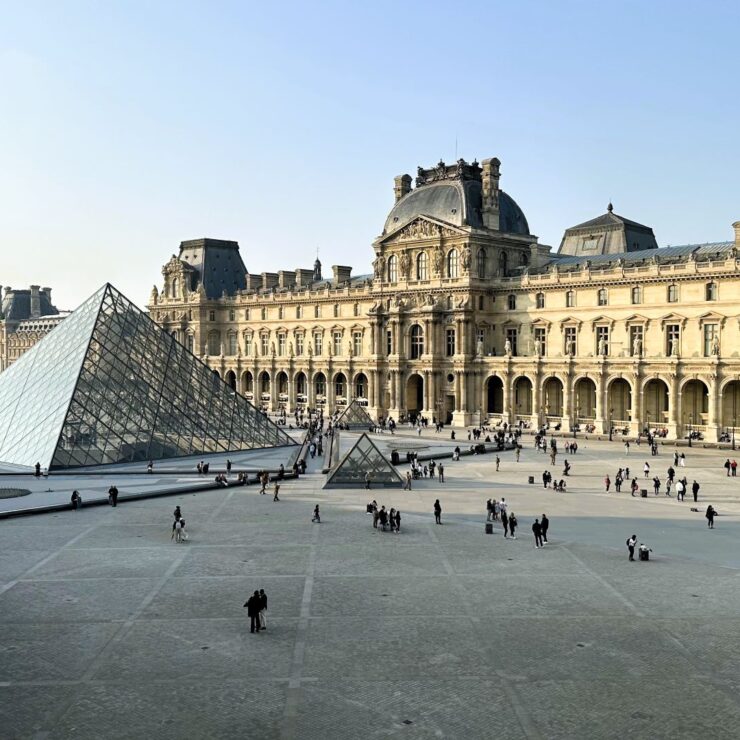
- The Louvre & Jardin des Tuileries — an easy 8–10 minute stroll west along Rue de Rivoli.
- Pont Neuf, the Seine & Notre-Dame — about 15 minutes on foot across the river to the Île de la Cité, Sainte-Chapelle, and the reopened cathedral.
- Le Marais & BHV — wander east for medieval lanes, boutiques, and falafel counters.
A Perfect Day in Les Halles: Sample Itinerary
8:30 am — Coffee and a warm pain aux raisins on Rue Montorgueil while the market street wakes up. 10:00 am — Loop the Fontaine des Innocents, salute Saint-Eustache, then climb the promenades of La Canopée for photos in the morning light. 11:30 am — Choose your adventure: modern art at the Centre Pompidou (500 m) or Old Masters at the Louvre (10 min). 1:30 pm — Lunch under the canopy at the Forum’s food court, or a bistro terrace on Place Joachim-du-Bellay. 3:30 pm — Rain? Shop the Westfield Forum des Halles. Sun? Walk the Seine to Notre-Dame and Sainte-Chapelle. 7:00 pm — Apéritif back in the neighborhood as the Canopée lights up like a golden wave at dusk. 9:00 pm — Dinner in Les Halles’ bistros — the “belly” never truly stops feeding the city.
Insider Tips for Exploring the Neighborhood
- Go early for markets. Rue Montorgueil is at its fragrant best Tuesday–Saturday mornings; many food shops pause for lunch around 1–2 pm and close Sundays and Mondays.
- Use the Canopée as a landmark. Its golden waves are visible from many streets — an effortless orientation point when you’re wandering.
- Embrace the underground. The Châtelet–Les Halles corridors connect metro and RER lines sheltered from rain — and lead straight into the Forum.
- Mind your pockets. As in any major hub, keep valuables zipped in crowds, especially at peak commuting hours.
- Save Sunday for the mall. With the Canopée and Forum open Sundays (11 am–7 pm), Les Halles is one of the few historic quarters where Sunday shopping is effortless.
- Shoot at golden hour. The canopy’s glass glows amber just before sunset — the best free photo studio in Paris.
Why Travelers Stay at Citadines Les Halles Paris
To truly absorb a neighborhood with nine centuries of appetite, you need a base at its center. Citadines Les Halles Paris places you beside the Westfield Forum des Halles, 500 metres from the Centre Pompidou, and within walking distance of the Louvre, Notre-Dame, and the Seine — with the comfort of apartment-style living, kitchenettes for market treasures from Rue Montorgueil, and services that make short and extended stays equally easy.
Plan your stay in the heart of Paris:
- Website: https://citadinesleshallesparis.com
- Tel: +33 1 40 39 26 50
- Address: 4 Rue des Innocents, 1st arrondissement – Louvre, Paris, Île-de-France, 75001, France
Les Halles FAQ: Quick Answers for Visitors
Why is Les Halles called the “Belly of Paris”? The nickname comes from Émile Zola’s 1873 novel Le Ventre de Paris, which portrayed the great central market as the city’s enormous appetite — the place where all of Paris came to feed itself.
What is La Canopée and when was it built? La Canopée is the undulating glass-and-steel canopy crowning the Westfield Forum des Halles, designed by Patrick Berger and Jacques Anziutti and inaugurated on April 5, 2016, as part of the district’s sweeping renewal.
Is the Forum des Halles open on Sundays? Yes — the mall welcomes shoppers Monday to Saturday from 10 am to 8:30 pm and on Sundays from 11 am to 7 pm.
How far is the Louvre from Citadines Les Halles Paris? Roughly a 10-minute walk west along Rue de Rivoli — or a couple of metro stops if your feet have had enough.
What does “Rue des Innocents” refer to? The street name recalls the medieval Cimetière des Innocents, Paris’s old burial ground, whose memory also lives on in the Renaissance Fontaine des Innocents nearby.
Is Les Halles a good area to stay in Paris? It’s one of the most central and connected districts in the city: major monuments on your doorstep, Europe’s busiest transit hub below, and endless food, shopping, and culture above.
Final Thoughts
Les Halles is Paris in miniature: medieval roots, royal decrees, literary legend, brutal demolition, and daring rebirth — all layered beneath a canopy of golden glass. From the “Belly of Paris” that fed a kingdom to La Canopée that now shelters its shoppers and dreamers, the neighborhood proves that the center of the city has never stopped beating. Book your stay at Citadines Les Halles Paris, step out onto Rue des Innocents, and join the nine-century-old crowd — you’re not just visiting the heart of Paris, you’re standing in it.
 English
 Spanish
 German
 French
 Italian
 Chinese
 Japanese
 Korean
 Portuguese
 Turkish